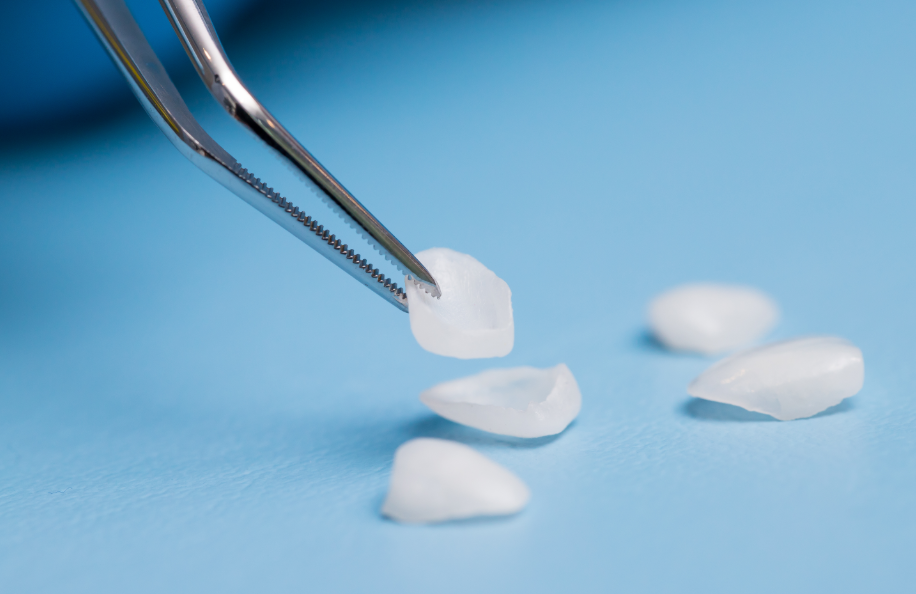
Veneers can make a dramatic difference in the appearance of your smile. These thin shells are bonded to the front of teeth to conceal concerns such as discoloration, chips, gaps, and minor shape or alignment issues. While veneers are generally considered safe when properly planned and placed, it is still important to understand the potential risks before deciding whether they are right for you.
Tooth Sensitivity
One of the more common side effects after getting veneers is temporary tooth sensitivity. During traditional veneer placement, a small amount of enamel is removed from the tooth so the veneer can fit naturally. Because enamel protects the more sensitive inner layers of your teeth, this preparation may make some people more sensitive to hot or cold foods and beverages.
For many patients, sensitivity improves as the teeth adjust. However, persistent or significant discomfort should be evaluated by a dentist to make sure there is not an underlying problem.
Veneers Can Chip or Break
Although porcelain veneers are durable, they are not indestructible. Biting down on hard objects, chewing ice, or using your teeth to open packages can put excessive force on veneers and cause them to chip or fracture.
Teeth grinding and clenching can also increase the risk of damage. If you regularly grind your teeth, your dentist may recommend addressing the habit or using a protective nightguard to help safeguard your smile.
Gum Irritation or Bite Problems
A veneer that does not fit properly can sometimes irritate the surrounding gum tissue. Similarly, if a veneer is too thick or interferes with your bite, you may notice discomfort when chewing or a feeling that your teeth do not come together normally.
Careful planning, precise placement, and bite adjustments can help reduce these concerns. Your dentist should also evaluate the health of your teeth and gums before beginning treatment.
Veneers Require Long-Term Care
Veneers are designed to be long-lasting, but they do not last forever. They can eventually need replacement because of normal wear, damage, or changes affecting the underlying tooth. Traditional veneers also involve permanent alteration to the enamel, meaning the treatment is generally not reversible once the teeth have been prepared.
Maintaining good oral hygiene, attending regular dental appointments, and avoiding habits that could damage your veneers can help extend their lifespan. It is also important to remember that the teeth underneath veneers can still develop cavities or gum disease.
Is the Risk Worth It?
For many people, veneers can be an effective way to achieve a more confident smile. The key is making sure the treatment is appropriate for your teeth, gums, bite, and cosmetic goals. A thorough dental evaluation can help identify potential concerns and determine whether veneers—or another cosmetic option—would be the better choice.
Understanding both the benefits and possible drawbacks can help you make a decision that feels comfortable and informed.
About the Practice
The team at San Marcos Gentle Dental in San Marcos, Texas, provides comprehensive and cosmetic dental care, including veneers, smile makeovers, teeth whitening, cosmetic bonding, and gum recontouring. The practice emphasizes patient comfort, advanced technology, and personalized treatment planning. Its dental team includes Dr. Robert Donnelly, Dr. Andrew Gentile, and Dr. John Schneider.
A beautiful smile is even better when it is supported by healthy teeth and gums.
Call us at (512) 396-5225 or schedule your appointment online.